Castle Guardian: Tactical Defense
Reviews
Description
Defensive Planning
In Castle Guardian: Tactical Defense, players oversee a fortified settlement under threat from periodic raids. The core objective involves arranging defensive units along approach routes to intercept incoming attackers. Each placement decision influences how effectively the castle holds against varied enemy types. Since resources are finite, commanders must prioritize which areas receive reinforcements first. Some paths may require heavier fortification, while others can be left with minimal coverage. This creates a puzzle-like layer where spatial awareness and foresight matter as much as raw power.
Resource Allocation
Successfully repelling raiders grants currency that can be invested in new structures or enhancements. Players face ongoing choices between expanding their defensive network and upgrading existing posts. Strengthening a single tower might provide greater long-term value than scattering funds across multiple weak points. The economy system encourages deliberate spending rather than hasty purchases. Observing which raider types cause the most trouble helps determine where upgrades deliver the best returns. Over time, efficient resource management becomes the difference between a secure castle and a breached wall.
Enemy Variety & Adaptation
Each assault wave introduces raiders with distinct movement speeds and durability. Some groups rush forward quickly, requiring rapid-fire defenses, while others plod ahead with heavy armor that demands sustained firepower. Before a wave begins, players can preview the composition of the approaching force and adjust their layout accordingly. This element of preparation means no single defensive arrangement works for every scenario. Experimentation with different tower types and placements is essential. The game rewards those who study enemy patterns and respond with tailored countermeasures.
Visual Design & Atmosphere
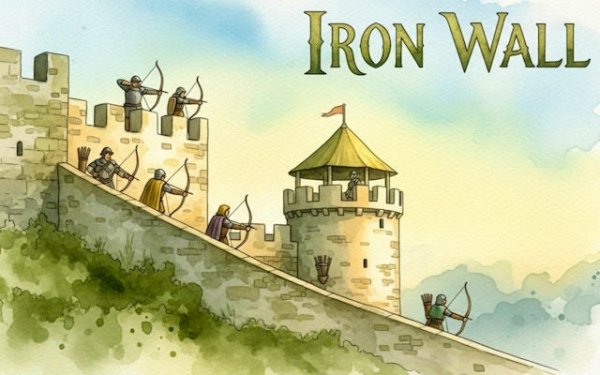
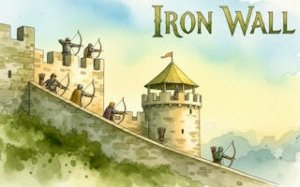
The game presents a bright, colorful medieval world with approachable character art. The visual style avoids grim or intense imagery, instead focusing on a lighthearted tone that suits all ages. Environments feature rolling green landscapes, sturdy stone walls, and cheerful villagers going about their daily routines. This pleasant backdrop helps maintain a relaxed mood even during hectic defensive sequences. The art direction supports the game's emphasis on thoughtful strategy rather than chaotic action, making it inviting for newcomers while still engaging for experienced tacticians.
Progression & Difficulty Curve
Early stages introduce basic mechanics and gradually ramp up complexity. Initial waves serve as a gentle learning period where players can grasp core systems without pressure. Later levels demand more sophisticated coordination between multiple defensive posts and smarter resource allocation. Some versions of this game type may include alternate maps or special challenge scenarios that add variety. The combination of evolving enemy behaviors, upgrade paths, and layout options ensures that each playthrough feels distinct. This steady increase in difficulty keeps the experience fresh and encourages repeated attempts.
Tips for Getting Started
New players should focus on identifying natural choke points where enemy paths narrow. Placing upgraded towers at these locations maximizes their impact. It is generally more effective to concentrate resources on a few strong positions than to spread them thinly across many weak ones. Pay attention to the preview of each incoming wave and adjust your setup before it begins. Learning from failed attempts is part of the process; each loss teaches something about raider behavior or placement strategy. With practice, timing and resource decisions become more intuitive.



Player Comments
Sign in to comment
You must be logged in before posting a review or rating.
No account? Create one
No comments yet. Be the first to comment!