Skills & Specialties
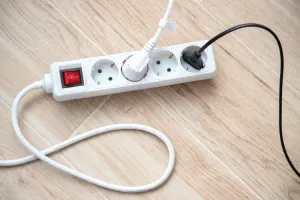
Electricians Warn: These Extension Cord Habits Could Spark a Fire
Professional electricians reveal common extension cord errors that can lead to overheating, short circuits, or fires. Learn how to choose the right gauge, avoid overloading, and recognize damage before it's too late.
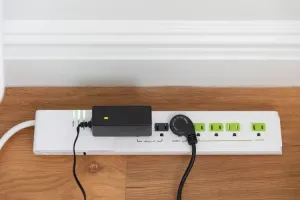
Power Strip Safety: 7 High-Draw Devices That Belong in a Wall Outlet
Licensed electrician Mark Halberg of Prairie Electric warns against plugging high-wattage appliances like refrigerators, space heaters, and microwaves into power strips, which can overload and cause fires. He recommends dedicated wall outlets for anything that heats, cools, or has a motor, and notes that most strips handle only about 1,500 watts total.
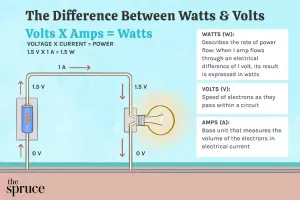
Electrical Units Explained: Volts, Amps, Watts, and Ohms
Understanding the difference between volts, amps, watts, and ohms is essential for anyone working with electrical systems. This article explains these units using simple analogies and real-world examples, from household appliances to lightning strikes.
New News
Skills & Specialties
A Father’s Timeless Advice That Prevents Costly DIY Mistakes
A seasoned DIYer shares the enduring value of a father's simple maxim—'measure twice, cut once'—which evolved into a broader philosophy of preparation and planning. The article outlines practical steps for project planning, budgeting, and safety, offering guidance for beginners to avoid common pitfalls.
Skills & Specialties
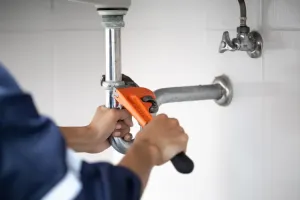
Master These 7 Home Repair Skills to Cut Renovation Expenses
Homeowners can significantly reduce renovation expenses by learning essential DIY skills. Experts highlight seven key abilities, from using basic tools to tackling simple plumbing and tiling, that can save hundreds or thousands of dollars.
Electrical
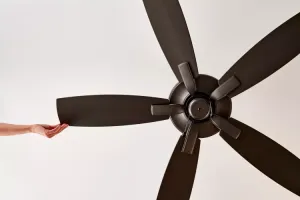
Ceiling Fan Shake? A Step-by-Step Repair Guide for Homeowners
A wobbly ceiling fan is more than an annoyance; it can signal loose mounting or damaged blades. This guide walks through a safe, low-cost repair process—from cutting power to rebalancing blades—so homeowners can fix the issue without removing the fan.
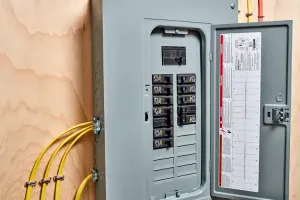
Checking Your Home's Electrical Capacity: A Practical Guide
Learn how to identify your home's electrical service amperage by inspecting the meter and main panel. This guide explains the significance of amp ratings and offers tips for planning upgrades, ensuring safe and adequate power for your household.

Smart Home Gadgets and Your Power Bill: What Energy Pros Want You to Know
Smart home devices can quietly increase electricity use due to always-on standby modes, but with the right settings and choices, they can also help cut overall energy costs. Experts explain how to balance convenience with efficiency.
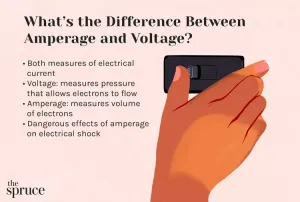
Why Electrical Shock Danger Depends on Current, Not Voltage
Understanding the difference between voltage and amperage is critical for electrical safety. While voltage is the pressure behind electricity, amperage—the flow—determines the severity of a shock. This article explains the science and offers practical safety measures.
Skills & Specialties


Bedding
-

Cooling Bedding Picks: 8 Tested Sheet Sets for Hot Sleepers
-
Memory-Foam Pillows Tested: Top Picks for Every Sleeper and Budget
-
Blanket Buying Guide: 9 Tested Picks for Warmth, Breathability, and Durability
-
Top-Rated Pillowcases for Every Sleeper: From Cooling to Cozy
-
Top 14 Luxury Bedding Retailers for Hotel-Quality Sleep at Home