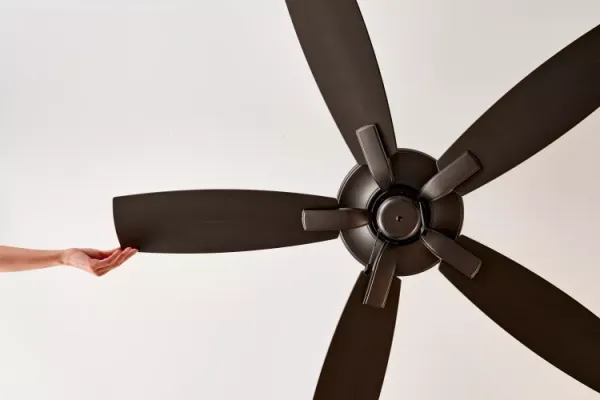
A ceiling fan that shakes or sways isn't just a nuisance—it can signal a safety hazard. Left unchecked, the wobble can loosen the mounting system or motor, potentially causing the fan to fall from the ceiling. Fortunately, most wobbles are fixable with basic tools and a little patience, and the repair can be done without removing the fan from its mount.
This guide covers the common causes—from dust buildup to bent blade arms—and walks through a step-by-step process to stabilize your fan. The project typically takes 30 to 45 minutes, requires only beginner-level skills, and costs between $5 and $30, depending on whether replacement parts are needed.
Why a Wobbly Fan Is a Risk
Even a minor wobble can worsen over time. The repeated motion stresses the mounting bracket, hanger ball, and motor, which can lead to loose connections or even a catastrophic failure. According to the original repair guide, a wobbly fan is not safe to operate, even on a low-speed setting. Signs that a fan may be failing include persistent wobbling, unusual noises, visible sparks or cracks, and shedding broken pieces.
Fans with downrods are particularly prone to slight wobbling—the longer the downrod, the more potential for movement. While a small amount of sway is normal, anything more than that should be corrected.
Step-by-Step Repair: What to Do First
Before any work begins, safety is paramount. The power to the fan must be shut off at the circuit breaker, not just at the wall switch or pull chain. This ensures no electrical current reaches the fan while you're working on it. Use a step ladder for access, and cover the floor below with a dropcloth to catch dust and debris.
The first step is to clean the fan blades. Dust accumulation can throw off the balance, so use an extendable duster and wipe each blade from the center outward. Hold a free blade with one hand to stabilize the fan while cleaning.
Next, inspect the mounting hardware. Remove the canopy—the dome-shaped cover near the ceiling—and check the mounting bracket for stability. If you have attic access, a flashlight can help you inspect the bracket from above. Also, lift the fan by the downrod to ensure the hanger ball is properly seated in the bracket. The hanger ball is designed to flex slightly, allowing the fan to hang level.
After reassembling the canopy, turn the power back on and test the fan. If the wobble persists, the issue likely lies with the blades themselves.
Blade Alignment and Replacement
Misaligned or damaged blades are a common cause of persistent wobbling. Use a tape measure to check the distance from the top of each blade to the ceiling, measuring at the same point on each blade. All measurements should be within 1/4 inch of each other. If any blade droops, tighten the screws connecting it to the blade arm—the T-shaped metal piece that attaches the blade to the fan motor.
Bent or distorted blade arms are difficult to straighten and should be replaced. Similarly, warped or sagging blades should be replaced entirely. Since blades are often sold in five-packs, it's usually best to replace all blades at once to ensure uniform balance.
Balancing the Fan with a Kit
If the blades are clean and aligned but the wobble remains, a balancing kit can pinpoint the problem. These kits include plastic clips and adhesive weights. Attach a clip to the middle of one blade, turn on the fan, and observe. Move the clip from blade to blade until the wobble stops. Once you find the offending blade, slide the clip along its length to find the exact spot that eliminates the wobble, then affix the adhesive weight there.
If the fan continues to wobble after all these steps, or if you notice a loose electrical box in the ceiling, it may be time to call a professional. A home repair service or electrician can replace a defective fan or secure the electrical box, ensuring safe operation.
Addressing a wobbly ceiling fan promptly not only restores comfort but also protects your home and family from potential harm. With these simple techniques, most homeowners can tackle the repair themselves in under an hour.