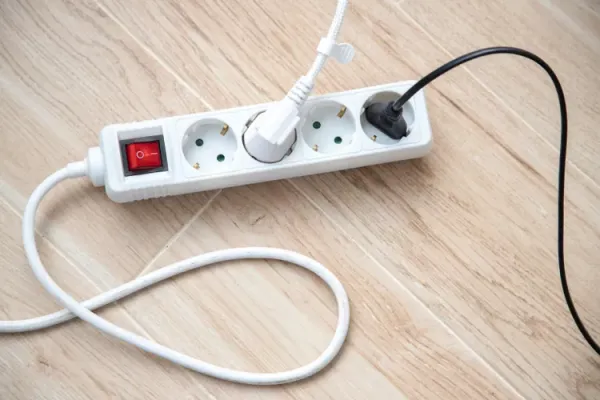
Extension cords are a staple in nearly every household, yet most people plug in devices without a second thought. But professional electricians say that casual habits—like daisy-chaining cords or using a light-duty cord for a heavy appliance—can turn a convenience into a serious hazard. At best, these mistakes trip breakers or cause lights to flicker; at worst, they can melt insulation and ignite a fire.
Justin Cornforth, a veteran electrician and CEO of Ace Home Co., and Adam Bushell, director of AB Electrical & Communications, spoke about the most common errors they see. Their advice centers on understanding power limits, recognizing wear, and matching the cord to the job.
Why Overloading Is a Hidden Danger
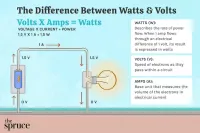
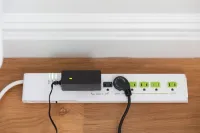
One of the most frequent mistakes is plugging too many devices into a single cord. Standard household extension cords are typically rated for 1,500 to 1,800 watts, Cornforth notes. But a space heater and a microwave together can draw about 2,500 watts—exceeding the cord's capacity. The result is overheating, which can melt the cord's insulation and start a fire.
Cornforth advises swapping light-duty cords for heavy-duty versions with built-in overload protection if you regularly plug in high-wattage appliances. He also cautions that extension cords have limits even when used correctly.
Signs of Damage You Shouldn't Ignore
Extension cords wear out over time, and using a damaged one can lead to shock or short-circuiting, according to Bushell. He stresses the importance of inspecting cords before each use. Cornforth lists several red flags: a burning plastic smell, a cord that feels hot to the touch, or black or brown spots near the plug. If a cord sparks, trips a breaker, or causes flickering lights, he says to stop using it immediately.
Another overlooked hazard is covering cords with rugs or furniture. This traps heat and can cause the cord to overheat, even if it's in good condition.
Choosing the Right Gauge
Selecting the correct extension cord gauge is critical, but the numbers can be confusing. Cornforth explains that a lower gauge number means a thicker, safer cord for heavy loads. He offers a simple guide: 12- to 10-gauge cords are suitable for space heaters, power tools, and other high-power devices, while 16- to 14-gauge cords work for lamps, chargers, and low-power items.
Using a cord with too high a gauge for a demanding appliance can cause voltage drop and overheating, which is why matching the cord to the device matters.
The Temptation to Daisy-Chain
Plugging multiple extension cords together to create a longer reach is a common practice, especially during the holidays. Cornforth warns that this can lead to fire. He recommends investing in a single longer, heavier-duty cord or installing a dedicated outlet where needed. If you do buy a longer cord, ensure it has a lower gauge to prevent voltage drop over distance.
Indoor vs. Outdoor: Not Interchangeable
Many people use indoor extension cords outdoors, but Bushell cautions that this is unsafe, particularly in wet conditions. Cheap indoor cords can short-circuit and create electrical hazards. He recommends using weather-resistant cords for outdoor tasks and, whenever possible, a weatherproof outlet box to protect connections.
While it's generally safe to use an outdoor cord inside, the reverse is not true. The insulation and construction of outdoor cords are designed to withstand moisture and temperature changes, making them the only safe choice for exterior use.
Extension cords are a practical tool, but they demand respect. By paying attention to wattage ratings, inspecting for damage, and choosing the right cord for the environment, homeowners can avoid the risks that electricians see all too often.