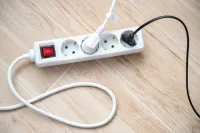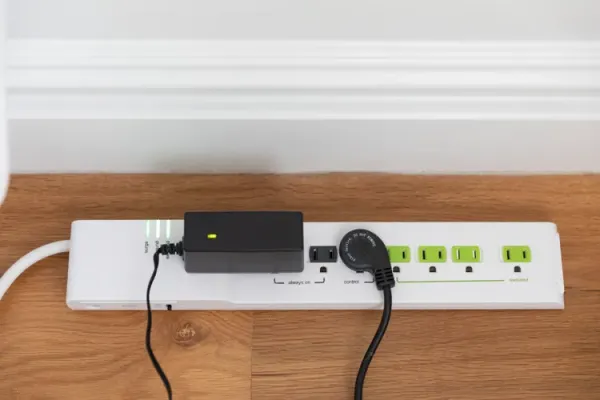
Power strips offer a convenient way to expand limited wall outlets, but they are not built to handle every device. Plugging high-wattage appliances into a strip can cause overheating, tripped breakers, or even electrical fires, according to Mark Halberg, a licensed electrician at Prairie Electric. His rule of thumb: if an appliance heats, cools, or has a motor, it should go directly into a wall outlet.
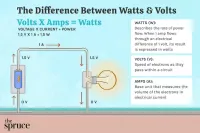
Halberg emphasizes that most basic power strips are rated for about 1,500 watts total, shared across all outlets. A single space heater or air conditioner can easily exceed that limit, damaging the strip's internal wiring or igniting a fire. Even devices that technically fall under the wattage cap, like microwaves (up to 1,200 watts) and toaster ovens (up to 1,800 watts), can overload a strip when combined with other electronics.
Refrigerators, Freezers, and Other Motor-Driven Appliances
Refrigerators and freezers draw substantial power and should never be plugged into a power strip. Halberg warns that an overloaded strip could shut off unexpectedly, or someone might accidentally hit the switch, causing food to spoil before the outage is noticed. These appliances need dedicated outlets to operate reliably.
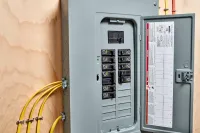
Similarly, dishwashers and garbage disposals require their own dedicated 20-amp receptacles to prevent overloading. Halberg advises that if your home lacks enough outlets, hiring an electrician to add more is far cheaper than dealing with the aftermath of an electrical fire.
Heating and Cooling Devices
Space heaters, portable air conditioners, and window units are common culprits of power strip overloads. These devices draw high wattage and should be plugged directly into a wall outlet. Halberg notes that overloading a strip can overheat it, damage wiring, or start a fire. He recommends dedicated outlets for these appliances to avoid tripping breakers.
Microwaves and toaster ovens are often overlooked as high-power devices, but they also belong in dedicated outlets. Halberg points out that power strips are designed for low-power electronics like charging stations, TVs, and desk setups—not heavy-duty loads.
Power Tools and Emergency Equipment
Power tools, especially in workshops, can easily overload a power strip and may even damage the tools themselves. Halberg advises plugging them directly into a wall outlet, ideally one that is dedicated or not sharing the load with other devices. He also stresses the importance of outlet condition, checking for scorching or loose wiring.
Sump pumps are another critical device that should never be on a power strip. If a pump fails due to an overload during heavy rain or snowmelt, basements and crawl spaces can flood, causing significant property damage. Halberg's advice is clear: when in doubt, plug it into the wall.
For homeowners unsure about their setup, consulting a licensed electrician is the safest course. Adding dedicated outlets may require an upfront investment, but it prevents far costlier repairs and protects against fire hazards.