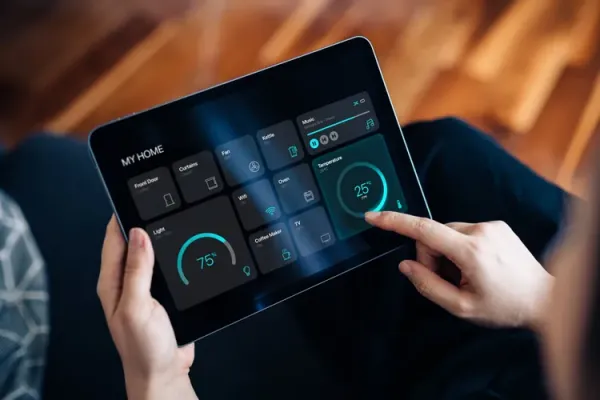
Smart home technology promises convenience, but it may also be quietly increasing your electricity costs. Devices like smart TVs, speakers, and thermostats often remain in standby mode, drawing power even when not in active use. Energy experts say the impact on your bill depends on the types of devices you own and how you manage them.
According to Ben Thomas, CEO and founder of Gatby, a free electricity marketplace, many smart gadgets are designed to stay "always-on" to listen for commands or maintain network connections. This results in what he calls "phantom or vampire power usage." For example, a smart TV in standby mode can consume up to 10 times more energy than a regular TV. Vincent Ambrose, Chief Commercial Officer at FranklinWH, an energy management solutions provider, notes that smart light bulbs, plug modules, speakers, and thermostats all require a small constant current to remain connected to WiFi and respond quickly to commands.
While the standby draw for each device is small, the cumulative effect can be significant. Thomas points out that always-on electronics and appliances may account for as much as 25% of a home's electricity use. For households with dozens of smart devices, that percentage can translate into noticeable monthly expenses.
How to Curb Standby Power Without Sacrificing Convenience
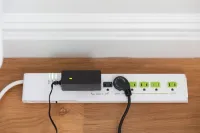
Experts suggest several strategies to reduce unnecessary power draw while still enjoying the benefits of smart home technology. First, adjust the settings on your devices. Many have eco modes that limit power consumption during standby. Check the user manual or app to enable these features. Second, consider using smart power strips. Despite the "smart" label, these strips are designed to cut power to devices in standby automatically, and they can be programmed to turn off on a timer. The U.S. Department of Energy recommends smart power strips as an effective way to save energy. Third, when shopping for new devices, compare estimated energy usage listed on packaging or retailer websites, and opt for eco-friendly models.
Ambrose advises a broader approach: focus on a "control-centered" home rather than a "gadget-centered" one. Instead of accumulating many small smart devices that sit in standby, use smart controls to manage larger energy consumers like heating, cooling, water heating, EV charging, and entertainment systems. "A smart thermostat that reduces your heating and cooling use by a few percent, or smart plugs that actually turn off your TV, game console, and office equipment for most of the day, will save far more energy than those small devices use when in standby," he explains.
For homeowners looking to trim their utility bills, the takeaway is clear: smart devices are not inherently wasteful, but their standby power can add up. By choosing efficient models, using smart power strips, and prioritizing controls for big appliances, you can keep your home connected without letting your energy costs spike.