Category

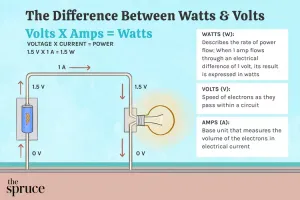
Watts vs. Amps: What Homeowners Need to Know About Electrical Ratings

Understanding the distinction between watts and amps is essential for anyone working with household electrical systems. This article explains how these measurements interact, why amperage matters for safety, and how to calculate power needs to prevent overloads.

Adding an Outlet to Finished Walls: A Step-by-Step Guide

Learn how to install an old work (retrofit) electrical box in finished walls or ceilings without removing drywall. This guide covers box selection, safety steps, and the installation process, including running cable and securing the box with retention tabs.

Standard Heights for Outlets and Switches: A Practical Guide

This article explains the conventional measurements for placing electrical outlets and light switches in residential settings, including countertop and accessibility variations. It also covers measurement techniques and notes that while the NEC does not mandate specific heights, local codes may apply.

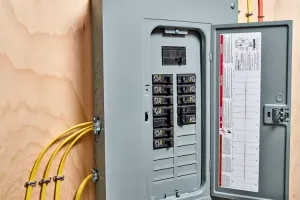
Checking Your Home's Electrical Capacity: A Practical Guide

Learn how to identify your home's electrical service amperage by inspecting the meter and main panel. This guide explains the significance of amp ratings and offers tips for planning upgrades, ensuring safe and adequate power for your household.

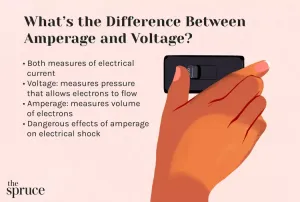
Why Electrical Shock Danger Depends on Current, Not Voltage

Understanding the difference between voltage and amperage is critical for electrical safety. While voltage is the pressure behind electricity, amperage—the flow—determines the severity of a shock. This article explains the science and offers practical safety measures.

Electrical Units Explained: Volts, Amps, Watts, and Ohms

Understanding the difference between volts, amps, watts, and ohms is essential for anyone working with electrical systems. This article explains these units using simple analogies and real-world examples, from household appliances to lightning strikes.

Adding Wall Sconces: A Step-by-Step Wiring Guide

Learn how to install a hardwired wall sconce with this detailed guide covering everything from choosing the right height to connecting the wiring. This article explains the necessary tools, materials, and safety precautions, making the project approachable for intermediate DIYers.

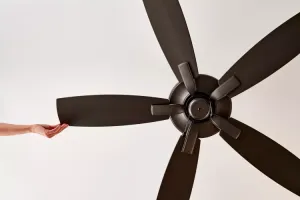
Ceiling Fan Shake? A Step-by-Step Repair Guide for Homeowners

A wobbly ceiling fan is more than an annoyance; it can signal loose mounting or damaged blades. This guide walks through a safe, low-cost repair process—from cutting power to rebalancing blades—so homeowners can fix the issue without removing the fan.

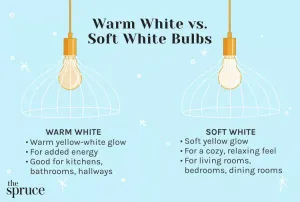
Choosing the Right Bulb: Warm White vs. Soft White Explained

Choosing between warm white and soft white light bulbs depends on the room's purpose and desired ambiance. This guide explains the Kelvin scale, compares the two common color temperatures, and offers practical placement tips for kitchens, bedrooms, and more.

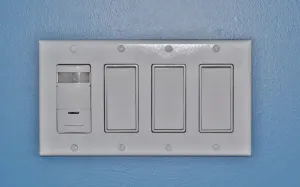
Do Motion-Activated Lights Trim Your Power Costs? Electricians Weigh In

Electricians say motion sensor lights can reduce energy waste in homes, especially for outdoor and bathroom lighting, but their effectiveness depends on proper calibration and bulb choice. While they consume a small amount of standby power, the savings from preventing lights left on can add up over time.

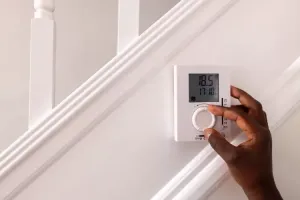
Trim Your Winter Energy Bills: Expert Tips for the Holiday Season

With the holidays driving up heating, lighting, and cooking costs, energy expert Mike Naughton shares practical ways to reduce your electric bill. From smart thermostats to LED lights and power strips, these tips help you save without sacrificing comfort.

Troubleshooting Holiday Light Failures: A Step-by-Step Repair Guide

When holiday lights fail after months in storage, common culprits include dead batteries, blown fuses, damaged wiring, or faulty bulbs. This guide outlines a systematic approach to diagnosing and repairing issues, from checking power sources to testing individual bulbs, helping you restore your display without replacing the entire strand.

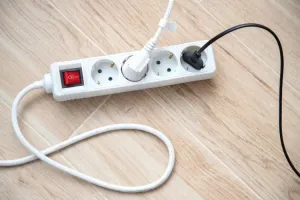
Power Strip Safety: 7 High-Draw Devices That Belong in a Wall Outlet

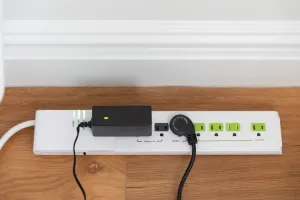
Licensed electrician Mark Halberg of Prairie Electric warns against plugging high-wattage appliances like refrigerators, space heaters, and microwaves into power strips, which can overload and cause fires. He recommends dedicated wall outlets for anything that heats, cools, or has a motor, and notes that most strips handle only about 1,500 watts total.

Energy Expert: Switching to LED Bulbs Can Slash Winter Electricity Costs

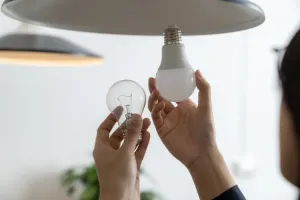
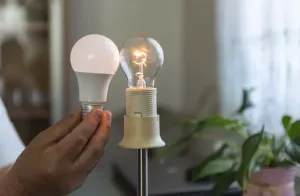
As winter nights drive up electricity usage, an energy expert recommends replacing incandescent bulbs with LEDs to cut annual power bills by over $225. The switch also offers longer bulb life and potential utility rebates, making it a cost-effective home improvement.