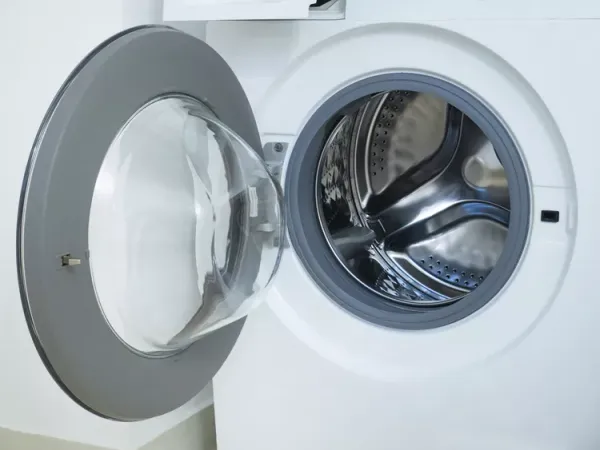
A washing machine that skips its spin cycle leaves clothes soaked and can signal a range of problems, from a simple overload to a worn-out motor. While some causes are immediately obvious, others require careful troubleshooting to pinpoint. Fortunately, most spin-related failures are repairable at home, often with just a few basic tools and replacement parts.
Before diving into fixes, it's helpful to recognize the warning signs. If your laundry comes out dripping wet, you notice a persistent mildew smell, or heavy loads fail to come out clean, the spin cycle is likely not running. You may also hear an off-balance alert or notice that the machine never seems to engage the high-speed spin. These symptoms point to a handful of common culprits.
Why the Spin Cycle Stops
One of the most frequent reasons a washer stops spinning is simply that the machine is overloaded. Wet clothes are heavy, and stuffing too many items into the drum puts excessive strain on the motor and belt. The solution is straightforward: remove some laundry and follow the manufacturer's recommended load size. Similarly, an unbalanced load—often caused by washing bulky items like blankets or towels—can trigger the machine to halt. Rearranging the laundry evenly and restarting the cycle usually resolves this.
Another common issue is a broken lid switch, a safety feature that prevents the washer from operating with the lid open. If the switch fails, the machine won't spin. Replacing it is a straightforward DIY task: unplug the washer, locate the switch, unscrew it, disconnect it from the control panel, and install a new one. The same approach applies to a faulty door lock on front-loading machines.
A worn or broken drive belt is another possibility. The belt turns the drum, and when it snaps, the spin cycle stops entirely. Replacing the belt involves removing the washer's front or top panel, sliding the new belt around the drum and pulleys, and reassembling. If the washer itself is not level on the floor, it can trigger an off-balance alert even with a balanced load. Adjusting the feet so all four sit firmly on the ground is a quick fix.
If the washer fills and drains but won't spin, the drain pump may be clogged or faulty. A blocked pump prevents water from leaving the drum, which stops the spin cycle. Check the drain hose for kinks first, then access the pump to clear any debris. If the pump is clear but still not working, it may need replacement. In more serious cases, the motor itself could be burnt out. While motor replacement is more involved, it's still possible for a handy homeowner to do in under an hour, potentially saving hundreds of dollars in service fees.
When to Call a Professional
If you've worked through these fixes and the washer still won't spin, it may be time to call an appliance technician. Diagnosing complex electrical or mechanical failures without experience can be risky. Also, consider the age and condition of your machine. Repair costs can exceed $450, which is close to the price of a budget washer, so sometimes replacing the unit is more economical.
To keep your washer spinning reliably, plug it directly into a wall outlet, avoid overloading, balance heavy items, and keep the drain pump free of clogs. Lowering the spin speed can also help if the cycle starts and stops. And if all else fails, unplug the washer for a few minutes to reset the machine before trying again.