For three decades, a home improvement enthusiast has carried a simple piece of paternal advice that has saved countless projects from disaster. The saying, 'measure twice, cut once,' is well-known among tradespeople, but for this DIYer, it became a broader mantra for meticulous preparation—applied to everything from painting a room to installing a toilet.
The lesson began thirty years ago when the author started working on home projects with his father. Initially, the phrase seemed like a literal warning against wasting materials. But its true meaning crystallized during an interior painting job, when the same advice was repeated in a context where no cutting was involved. It was then that the author realized his father was teaching a philosophy of foresight: plan thoroughly, prepare the workspace, and anticipate needs before starting any task.
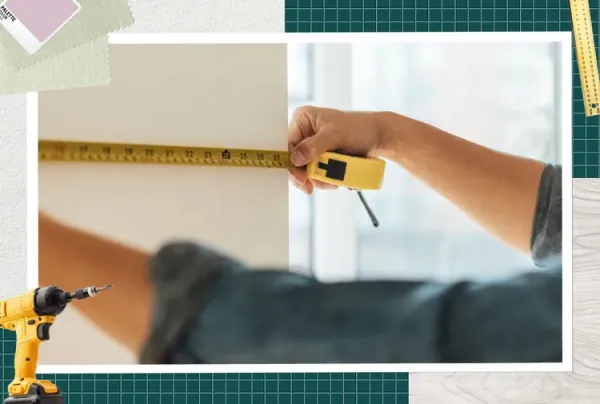
This approach has proven invaluable. By double-checking measurements, calculating material quantities before heading to the store, and prepping surfaces—such as applying painter's tape or power washing a deck before staining—the author has avoided numerous mid-project setbacks. The principle extends to budgeting and tool selection, where renting specialized equipment can be more cost-effective than buying rarely used items.
Building a Project Plan That Works
To put this advice into practice, the author recommends a structured approach. Start by listing each step, from measuring and purchasing materials to preparing the area and completing follow-up care like staining or caulking. Establish a budget and inventory tools you already own, then decide whether to buy or rent. Preparation of both the area and materials—mixing paint, cutting wood, laying drop cloths—is crucial before the actual work begins.
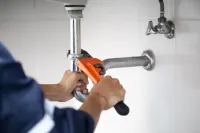
For beginners, the author offers four additional tips. First, start with small, manageable projects like painting a room or fixing drywall, rather than tackling complex renovations. Second, invest in a reliable set of basic tools—hammer, screwdrivers, tape measure, pliers, utility knife, wrenches, level, and a drill—instead of accumulating cheap, rarely used gadgets.
Safety is the third pillar, and the author shares a cautionary family story: his father, who often skipped safety for convenience, suffered a severe hand injury when an angle grinder with a chipped blade kicked back, severing a tendon and requiring surgery. This incident underscores the importance of wearing protective gear, clearing the workspace, and checking tools before use.
Finally, the author stresses knowing your limits. Attempting projects beyond your skill level can lead to poor results or personal risk. It's wiser to call a professional for complex jobs and gradually build experience through simpler tasks.
This fatherly advice, rooted in a simple carpenter's adage, has proven timeless. It transforms a common saying into a comprehensive strategy for successful home improvement, saving time, money, and frustration for DIYers of all levels.