The first chill in the air is more than a signal to pull out sweaters—it’s a reminder that your home needs attention before the deep freeze arrives. Home maintenance professionals emphasize that a few hours of preparation now can prevent costly repairs and keep your household safe and warm throughout the season.
We consulted experts in restoration, HVAC, and handyman services to identify the five most critical tasks to complete before winter sets in. Their advice covers everything from protecting pipes to ensuring your heating system runs efficiently.
Protect Your Plumbing from Freezing Temperatures
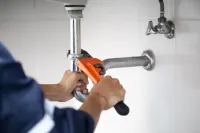
Frozen pipes can be among the most destructive events for a home, according to Russell Vent, vice president of Paul Davis Restoration of Greater Rochester NY. He recommends that before the season begins, homeowners learn where plumbing lines run, especially those near exterior walls, and inspect them for leaks and proper insulation. Exterior spigots and fixtures should be shut off and drained.
Will James, a virtual handyperson for Frontdoor, adds that many people forget to shut off and drain exterior hose bibs, including those in garages. If a shutoff valve isn’t available, he suggests using hose bib covers or heat wraps. “This simple step prevents frozen pipes from splitting and causing leaks when they thaw,” James explains.
Vent also advises watching for warning signs during a freeze, such as slow leaks, small water stains near plumbing, or faucets that suddenly stop working. These can indicate a line has frozen and ruptured, often going unnoticed until a thaw begins.
Seal Drafts to Keep Warm Air In
Tiny gaps around windows and doors can have a big impact on comfort and energy bills during freezing months. Sealing these drafts with weather stripping, caulking, or door sweeps is a simple DIY task that prevents cold air from entering and warm air from escaping. For older single-pane windows, plastic film insulation kits can be an effective solution, even if they aren’t the most attractive option.
Clear Gutters to Avoid Ice Dams
Clogged gutters can lead to ice dams, which can cause serious water damage when snow melts, warns James. To prevent this, clear leaves and debris from the roof gutters, then flush them with a hose. If water doesn’t exit the downspout as freely as it enters, there may be a clog. Inserting a hose directly into the downspout and gradually increasing water pressure can break up the blockage.
Optimize Your Heating System
Many homeowners neglect to test their heating system before winter. James recommends scheduling a professional inspection and changing filters to ensure efficient operation. Bill Taylor, HVAC contractor manager at South Jersey Gas and Elizabethtown Gas, echoes this advice, suggesting filters be replaced monthly during the heating season. “Dirty filters force your heating system to work harder, leading to increased energy costs and potential breakdowns,” Taylor says. He also recommends installing a smart thermostat to optimize heating schedules and reduce energy consumption.
Don’t forget fireplaces and wood stoves—have chimneys swept and inspected before use.
Check Smoke and Carbon Monoxide Detectors
Winter is a peak time for house fires and carbon monoxide poisoning, often caused by furnaces and fireplaces. Ensuring smoke and carbon monoxide detectors are in working order is a critical safety step. Test them monthly and replace batteries as needed.
Taking these five steps can make a significant difference in your home’s safety and comfort this winter. While some tasks require professional help, many are simple DIY projects that can be completed over a weekend.