Renovation projects often come with hefty price tags, especially when every task requires a professional. However, homeowners can trim those costs substantially by acquiring a handful of practical do-it-yourself skills. Industry veterans with decades of experience in real estate and contracting shared their insights on the most valuable abilities to learn.
Josh McGrath, a broker and owner at Better Homes and Gardens Real Estate Central with over 25 years in real estate and house-flipping, and Peter Andra, owner and general contractor at Kalispell Contracting with a similar tenure in building and renovation, both emphasize that a few foundational skills can make a significant financial difference.
Why Basic Tool Proficiency Pays Off
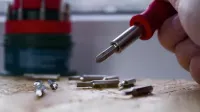
Knowing how to correctly use a drill, hammer, and screwdriver opens the door to numerous simple tasks. From hanging shelves and mounting televisions to replacing hardware or repairing decks and fencing, these tools cover a wide range of common household jobs. Andra notes that most people are already familiar with screwdrivers, using them frequently for assembling furniture or swapping out door handles and drawer knobs.
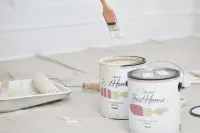
Painting is another accessible skill that offers immediate visual rewards. McGrath describes it as beginner-friendly with almost instant gratification. He advises using a good angled brush and a steady hand to achieve clean lines, which can dramatically improve the final look of a room without the expense of a professional painter.
Caulking and Demolition: Small Efforts, Big Savings
Caulking serves multiple purposes, from sealing gaps around pipes and wires to ensuring a watertight base after toilet repairs. McGrath points out that while caulking is easy to learn, mastering it takes practice, but the result—smooth, mold-resistant lines—is worth the effort. Similarly, light demolition tasks like removing old carpeting or hardwood can be done by homeowners, avoiding the extra fees professionals often charge for cleanup. Andra suggests that breaking up non-load-bearing walls or removing old cabinets is straightforward, but cautions that any job involving wiring or plumbing should be left to experts.
Drywall and Plumbing: High-Impact Skills
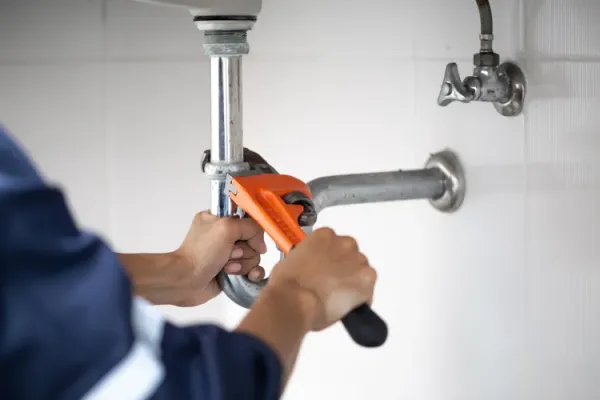
Patching drywall and preparing surfaces for painting are skills that directly reduce labor costs. McGrath explains that most labor expenses occur before the brush touches the wall, so filling holes and smoothing cracks ensures a paint-ready surface. Basic plumbing knowledge, such as replacing a toilet flapper or clearing a drain, can also prevent costly service calls. McGrath highlights that swapping a faucet is a significant labor saver if done correctly.
Tiling: A Measured Approach
While full bathroom or shower tiling may be beyond the average homeowner's ability, simpler projects like backsplashes or decorative accents are manageable. Andra advises taking it slow, focusing on even placement and smooth grouting, and leaving complex tile work to professionals.
By investing time in learning these seven skills, homeowners can tackle more projects independently, reduce reliance on hired labor, and keep more money in their pockets.