Pixel Runner's Coin Chase
Reviews
Description
Core Objective and Level Flow
In this platformer, each stage presents a clear goal: gather a set number of shiny coins scattered throughout the environment. Once the required coins are collected, a trophy materializes somewhere in the level. Reaching that trophy opens the next stage. This straightforward loop keeps the focus on exploration and precision rather than defeating enemies. The game does not award points for eliminating creatures or picking up coins, which encourages players to concentrate on navigation and timing.
Controls and Character Movement
Players control the main character using either on-screen buttons or a connected keyboard. The character can move left, right, and jump. The jump is the primary tool for overcoming obstacles, reaching higher platforms, and avoiding hazards. The controls are responsive, allowing for quick adjustments mid-air. The game is optimized for touch input, making it comfortable to play on tablets and phones without requiring a controller.
Environment Hazards and Interactive Objects
Levels are filled with various obstacles that require careful timing to avoid. Pits and spikes cause the player to restart the stage if touched. Creatures patrol certain areas, and the player can safely pass by jumping on top of them. Ramps help the character clear wide gaps, trampolines launch the character to elevated areas, elevators provide vertical movement, and stairs allow access to different sections. These elements combine to create puzzles that test the player's understanding of the level layout.
Power-Ups and Their Strategic Use
Certain stages contain power-ups that alter the character's abilities. The umbrella, for example, allows the player to glide after jumping, slowing descent and enabling safer landings on narrow platforms. Using these items effectively can make tricky sections easier, but they are not required for completion. Players must decide when to use a power-up for maximum benefit, adding a layer of strategy to the platforming.
Visual Style and Retro Appeal
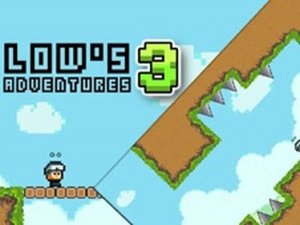
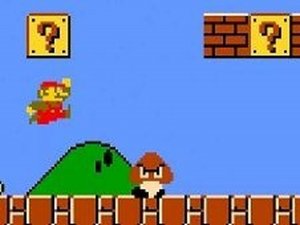
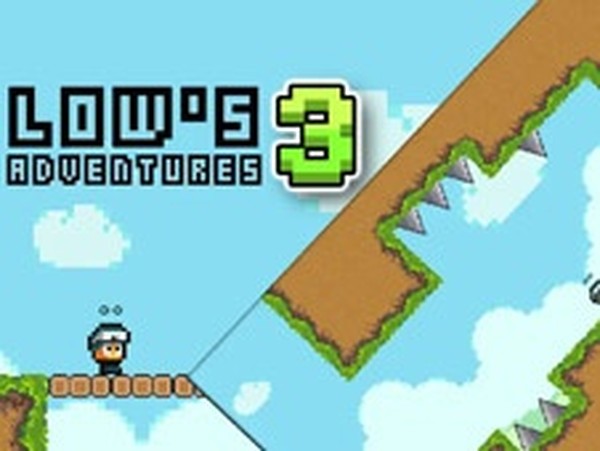
The game employs a pixel art style that recalls the look of 8-bit and 16-bit console titles. Characters, backgrounds, and objects are rendered with blocky, colorful sprites that evoke nostalgia for classic gaming eras. The visual simplicity keeps the action clear and readable on smaller screens, while the bright palette makes each level distinct. The overall aesthetic supports the game's focus on straightforward, accessible gameplay.
Progression and Difficulty Curve
As players advance, new stages introduce more complex arrangements of hazards and platforms. Early levels serve as tutorials for basic movement and coin collection. Later stages require more precise jumps, faster reactions, and better use of interactive objects. The difficulty increases gradually, giving players time to master the controls before facing tougher challenges. Replaying earlier levels can help build the skills needed for later stages.








Player Comments
Sign in to comment
You must be logged in before posting a review or rating.
No account? Create one
No comments yet. Be the first to comment!