With a major snowstorm forecast for many regions, homeowners face the dual challenge of keeping their homes warm and preventing structural damage from ice and freezing temperatures. In cold-winter climates, the burden on a home's structural and mechanical systems intensifies, making proactive preparation essential. Here are 12 practical steps to protect your property before the mercury drops.
Water is a formidable enemy even in mild weather, but when it turns to ice, the risks multiply. Frozen pipes can burst, causing extensive water damage, while ice dams on roofs can lead to leaks. Taking preventive measures now can save you from costly repairs and the inconvenience of a cold, damaged home.
Guard Your Plumbing
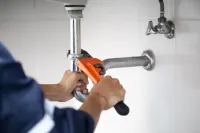
Start by disconnecting and storing garden hoses as temperatures fall. Shut off water to outdoor faucets, drain the lines, and insulate the hose bibs. For indoor pipes running through exterior walls, ensure wall insulation meets recommended standards and monitor them during cold snaps.
If any faucets are on poorly insulated exterior walls, set them to a slow drip during bitter cold spells—open both hot and cold lines slightly, as both are vulnerable. Leaving cabinet doors open allows room air to warm the pipes. Also, keep the main water shut-off valve accessible and in working order; if it's rusted or only closes partially, replace it immediately, ideally with professional help. Ensure everyone in the household knows its location and how to use it. In warmer climates, the valve may be outside at the water meter—invest in a meter key or keep an adjustable wrench handy, and practice turning the water off. Note that some cities restrict homeowner shut-offs, so keep the water department's emergency number close.
Seal and Insulate
Even small holes where cables or phone lines enter can let in freezing air and let out precious heat. Use spray foam insulation to seal these gaps, and apply weather stripping or caulking around doors and windows. Checking the exterior for cracks should be an annual routine in cold regions.
Adequate insulation is your first defense against freezing pipes and heat loss. Insulate exterior walls, crawl spaces, basements, attics, and sometimes the pipes themselves. Your local energy utility may offer free in-home energy audits to evaluate your usage and recommend R-value upgrades for your region.
Protect the Roof and Attic
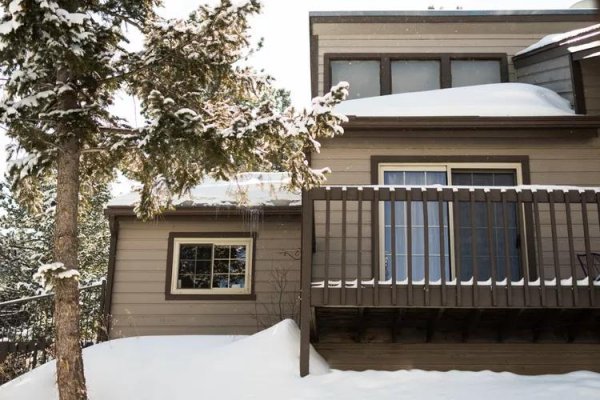
Clean gutters before freezing temperatures arrive to prevent ice formation on the roof. Gutter screens or helmets can keep leaves out. Proper attic ventilation is also vital to avoid ice dams—inspect to ensure insulation isn't blocking soffits or vents. Free airflow prevents warm air from melting snow that can refreeze at roof edges.
Maintain Heating and Appliances
Keep spare batteries for your thermostat to ensure continuous operation. Old furnaces, space heaters, and electric wall heaters can drain energy; updating them improves efficiency. Clean filters before cold weather sets in to boost performance and reduce costs.
Prepare for Extended Absences
If you leave for long periods in winter, consider shutting off the water and draining the plumbing to avoid freeze-related failures. Freeze alarms, costing $50 to several hundred dollars, can monitor your home's temperature and alert you via text or email if it drops dangerously—essential for snowbirds. Also, review your homeowner's insurance to ensure it covers freeze damage.
Taking these steps now can mean the difference between a cozy, safe winter and a costly emergency. As the storm approaches, a little preparation goes a long way in protecting your home and your peace of mind.