Homeowners eager to cut costs in a tight economy often turn to do-it-yourself projects, but even the most experienced hands know where to draw the line. Two DIY veterans—Ryan Chastain, a CNC machinist and homesteading blogger, and Nik Stophel, a renovation partner with CRAFTSMAN®—shared the tasks they consistently outsource to licensed professionals, citing safety hazards, building codes, and the potential for expensive mistakes.
Chastain, who runs the blog Waddle and Cluck with his wife, Lindsey, says he's usually willing to tackle almost anything around the house. Yet he draws a hard boundary at installing HVAC systems. "Between building codes and dealing with coolant levels," he explains, the job demands specialized knowledge and tools that most homeowners simply don't possess.
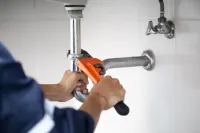
Stophel, who documents his projects with his wife Liv on Instagram (@nikandliv.diy), echoes that caution when it comes to major plumbing work. "The stakes are just too high," he says. Incorrect slope angles or venting can lead to slow drains, sewer gas leaks, or code violations, and hidden leaks inside walls can cause serious water damage before they're detected.
Foundation Cracks and Mold: Hidden Dangers
A small crack in a home's foundation might seem like a simple patch job, but Chastain warns that appearances can be deceiving. He recounts a personal experience where a seemingly minor crack turned out to be far larger once flooring was removed. "Anything that has to do with the foundation of your home should be handled by professionals," he advises.
Mold remediation is another area where DIY efforts often backfire. Stophel, who has attempted it himself, now recommends against it. He points out that doing the job correctly requires specialized gear and training, such as an Institute of Inspection, Cleaning and Restoration Certification class. "Mold is a hazardous material," he says, "and the risk of spreading spores around the home with a DIY setup is too high."
Electrical and Gas Line Work: Non-Negotiable
The most dangerous category, according to both experts, is electrical and gas line projects. Stophel is clear about his limits: "Any rewiring, panel upgrades, or circuit changes, I leave to the licensed electricians." He cites strict codes designed to prevent fire hazards and electrocution, adding that he's comfortable only with simple tasks like changing light fixtures or swapping outlets.
Chastain takes a similarly firm stance on gas appliances, such as installing a gas stove. He notes that gas leaks are often hard to detect and can create a major fire hazard, making this a job for professionals only.
For homeowners weighing their options, the message is clear: while DIY can be rewarding, some projects carry risks that outweigh the savings. Knowing when to call a licensed expert is a skill in itself, one that can protect both your wallet and your safety.