With winter driving many homeowners indoors, the season offers a natural opportunity to tackle small-scale home improvement projects that build practical skills. Contractors across the trades—from carpentry to electrical work—suggest that this is an ideal time to learn a few DIY techniques that can enhance comfort, functionality, and the value of a home.
According to Myles Robinson, CEO of UK Composite Doors, winter is particularly suited for projects that are compact and can be completed in a spare room or corner. Carr Lanphier, CEO of painting contractor Improovy, echoes that sentiment, noting that indoor projects allow for focused work without the pressure of outdoor deadlines. Daniel Vasilevski, Director and Owner of Bright Force Electrical, adds that many electrical upgrades are simple enough for a homeowner with basic knowledge.
Building and Painting Projects
One of the most accessible projects is constructing storage cubes. Robinson explains that these are small, beginner-friendly woodworking tasks that teach measuring, cutting, and assembling—all while producing something useful for the home. Similarly, painting baseboards is a more refined skill than painting a wall, as it requires careful brushwork with long strokes and even pressure. Lanphier points out that mastering this technique transfers to other trim work, such as around windows and doors.
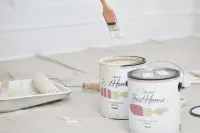
For those looking to add a splash of color, painting an accent wall can revitalize a room. Lanphier suggests bold shades, murals made with painter's tape, or pre-cut stencils for unique designs. Another quick win is replacing dated hardware—door knobs, cabinet pulls, and drawer handles. Robinson notes that swapping out old fixtures can give a kitchen or bath an instant facelift, and he recommends soft-close hinges as a popular upgrade for older homes.
Electrical and Plumbing Basics
On the electrical front, installing USB wall outlets is a practical upgrade that eliminates bulky adapters and frees up standard outlets. Vasilevski says that for anyone who has installed a regular outlet, the process is nearly identical, making it a good learning project. Dimmer switches are another straightforward installation, taking about 30 minutes, and they offer benefits like energy efficiency and reduced eye strain, according to Vasilevski.
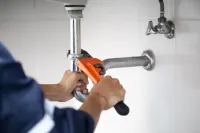
Plumbing is often perceived as intimidating, but Docia Boylen, owner of Handyman Connection of Golden, encourages homeowners to start with simple tasks. With basic tools, one can learn to replace a toilet, install a faucet, or upgrade a shower head—jobs that might otherwise cost up to $500 for a plumber. More ambitious DIYers might tackle a water heater installation or replace corroded copper lines with PEX tubing.
Functional and Finishing Touches
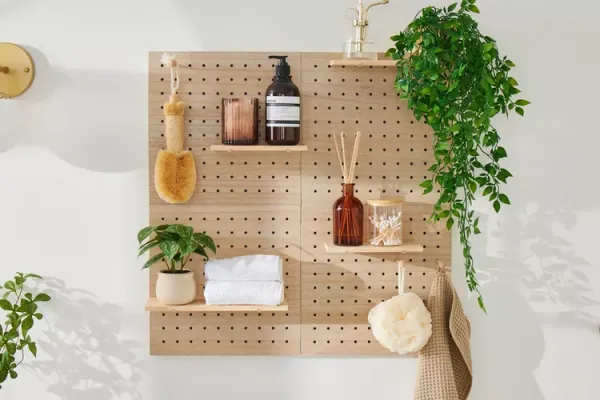
Pegboard walls offer a blend of organization and style. A 4-foot by 8-foot stain-grade pegboard mounted on two-by-two boards can be sanded, stained, or painted, then fitted with hardware to organize a desk, office, or laundry space. Tiling is another skill that can be developed indoors. Boylen suggests installing wall tile in bathrooms to waterproof them, using plastic spacers to keep seams even. Mosaic tiles on a backsplash or classic subway tile are both manageable projects that add a timeless look.
Finally, hanging pictures is a simple task that many postpone. With specialty wall hooks, a picture can be hung in under 15 minutes, and using wire allows for quick leveling. These projects, while varied, share a common thread: they are accessible, teach transferable skills, and can be completed without leaving the warmth of home.