If your home's air feels stuffy or your energy bills have crept upward without a clear reason, the culprit might be hiding inside your ductwork. Over time, dust, debris, and even mold can accumulate in the network of tubes that deliver heated and cooled air throughout your house, compromising both comfort and efficiency. According to indoor air quality specialists, a professional cleaning every three to five years is the standard recommendation, but certain situations call for more immediate action.
Andy Fox, an indoor air quality specialist at Filtrete, a brand known for HVAC filters, points to specific triggers that should prompt an earlier cleaning. "If you suspect mold, vermin, or excess dust and debris, you should consider cleaning according to EPA guidelines," he says. The Environmental Protection Agency (EPA) has published guidance on duct cleaning, and Fox's advice aligns with that framework.
Regular duct maintenance isn't just about breathing easier—it also affects your wallet. When ducts are clogged, your heating and cooling system has to work harder to push air through, which reduces efficiency and can noticeably raise monthly utility costs. Keeping the system clean helps it run as designed, potentially offsetting some of those seasonal spikes in energy use.
Four Red Flags That Your Ducts Need Attention
While the three-to-five-year rule is a useful baseline, homeowners should stay alert for signs that problems have developed sooner. The first is mold. If routine maintenance on your HVAC system reveals mold growth, the ducts themselves will need to be cleaned. Humidity and condensation inside the system are common culprits, especially in regions with high moisture levels. That's why experts recommend having your HVAC serviced at least once or twice a year, following the manufacturer's guidelines, to catch mold before it spreads and leads to costlier repairs.
A second warning sign is an unexplained rise in energy bills. If your heating or cooling costs are noticeably higher than usual for the same season, dirty ducts could be forcing the system to overwork. The extra strain not only wastes energy but also shortens the lifespan of the equipment.
Third, a persistent layer of dust on surfaces—even after regular cleaning or running air purifiers—can indicate that dust is being recirculated from the ducts. This is particularly common after home renovations, such as drywall installation, where fine particles can infiltrate the duct system and degrade air quality.
Finally, pests. Strange noises, unpleasant odors, or visible droppings near vents are telltale signs of an infestation in the ductwork. Whether it's insects or rodents, a professional should inspect and clean the ducts to remove the pests and any contamination they've left behind.
When to Call a Professional
Although high-quality filters and regular filter changes can help keep ducts cleaner, only a professional can perform the deep cleaning that's needed in these situations—or as part of the routine three-to-five-year schedule. Professional duct cleaners use heavy-duty tools and brushes that go beyond what standard home equipment can achieve. According to the EPA, the cost for an average-sized home typically ranges from $450 to $1,000, depending on factors like location, home size, the HVAC system, and the condition of the ducts.
Maintenance Tips to Extend the Life of Your Ducts
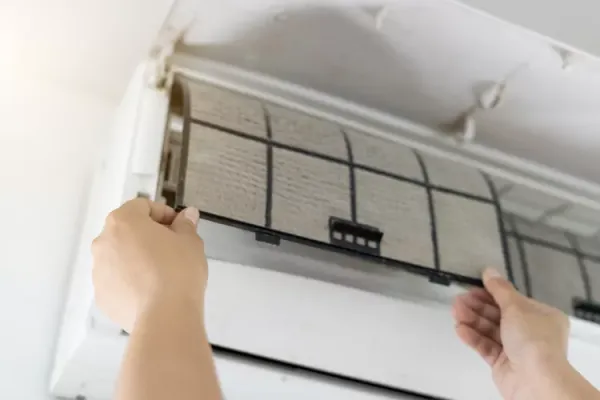
Prevention is often the best strategy. Fox recommends using a high-quality HVAC filter, such as Filtrete MPR 1500, which sits before the fan and helps keep the fan, heat exchangers, and supply vents cleaner. He also advises replacing air filters every three months—or more often if you have pets, burn candles frequently, or run your air conditioning constantly. Regular professional servicing, as recommended by the manufacturer, and scheduled duct cleanings every three to five years can help avoid larger, more expensive repairs down the road.
For homeowners wondering about the consequences of neglect, the answer is clear: poor indoor air quality and reduced system efficiency. And if you've just had your ducts cleaned and notice a lingering chemical smell, that's normal—it should dissipate once the cleaning agents burn off. Being proactive about duct maintenance not only improves the air you breathe but also helps your HVAC system run more economically.