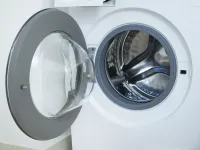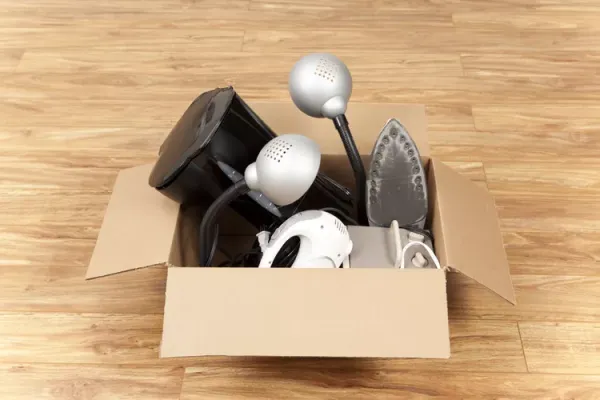
Replacing a worn-out refrigerator, washer, or dryer often brings an unexpected challenge: what to do with the bulky old unit. These items cannot simply be set out with regular trash, and their size and weight make them difficult to move. Fortunately, homeowners have numerous options, ranging from selling and donating to recycling and professional pickup services.
According to a recent guide on home appliance management, the key is to assess the condition of the appliance first. If it still works, it may have value to others. If it is broken beyond repair, recycling or disposal services are appropriate. Below are 11 practical methods to help clear the way for new appliances.
Repurposing and Selling
For appliances that remain functional, repurposing is a smart first step. A spare refrigerator in a garage or utility room can help organize the main kitchen unit and reduce food waste. Similarly, keeping a gently used washer and dryer as backups can be invaluable if a new unit fails. Landlords may also find it beneficial to keep working appliances on hand for tenant needs.
If the appliance is no longer needed, selling it online is a popular option. Platforms such as Facebook Marketplace, Craigslist, eBay, and apps like OfferUp and Letgo allow sellers to reach buyers looking for affordable replacements. A garage or yard sale can also be effective, especially if neighbors join in to create a larger event.
Donating and Recycling
Donation is another viable route. Friends or family members in need may appreciate a used appliance, and charitable organizations such as homeless shelters, churches, thrift stores, and food banks often accept working refrigerators, freezers, washers, and dryers. Even if an organization cannot use the appliance directly, they may be able to connect the donor with someone who can.
For broken appliances, recycling is an environmentally responsible choice. Many scrap metal recycling centers pay for appliances by the pound, and some appliance stores and utility companies offer recycling programs. Items like refrigerators and air conditioners require special handling because they contain refrigerants that must be removed before recycling. The Environmental Protection Agency's Responsible Appliance Disposal (RAD) program provides guidance for such units.
Trade-Ins and Utility Programs
Some appliance dealers offer trade-in programs when purchasing a new unit, which may include free pickup of the old appliance at delivery. Utility companies also often provide recycling services for fridges and freezers, sometimes offering a credit on the customer's bill.
For those who prefer to handle disposal themselves, renting a roll-off dumpster is an option, though it is important to check with the rental company about prohibited items, especially those containing harmful substances. Alternatively, professional appliance disposal services can schedule a pickup for a fee, sparing the homeowner the physical strain of moving heavy items.
Finally, if the homeowner has a truck or trailer, they can haul the appliance to a designated disposal center, but not all facilities accept appliances, so it is wise to call ahead. Renting a pickup from a hardware store may be cheaper than hiring a service. In many cities, placing the appliance on the curb for municipal pickup is allowed, but residents should verify local regulations and HOA rules first.
Regardless of the chosen method, it is crucial to follow local guidelines to ensure safe and legal disposal, protecting both the environment and the community.