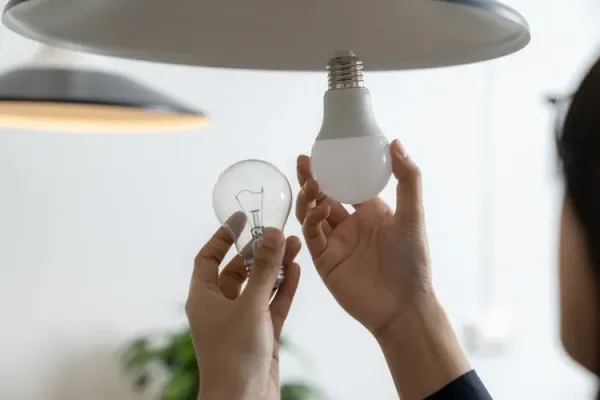
With shorter days and longer nights, households typically see a spike in electricity consumption during the winter months, largely due to increased lighting use. To help offset these costs, energy experts point to a simple yet often overlooked change: replacing traditional incandescent bulbs with LEDs. According to David Borchardt, a Senior Mechanical Engineer at MD Energy Advisors, this switch can lead to annual savings of more than $225, depending on local energy rates.
Borchardt emphasizes that the transition doesn't have to happen overnight. Homeowners can gradually replace incandescent bulbs as they burn out, making the switch to LEDs a low-stress, incremental process. Modern LED bulbs now offer light quality comparable to or better than incandescent bulbs, addressing earlier concerns about harsh blue tones.
Why LEDs Make a Difference
The financial benefits of LED lighting are twofold: reduced energy consumption and longer bulb lifespan. Borchardt notes that an 8-watt LED can replace a 60-watt incandescent bulb while using 85% less energy. Additionally, LEDs are rated for 15,000 to 50,000 hours of use, compared to roughly 1,000 hours for standard incandescent bulbs. This longevity means fewer replacements and lower long-term costs.
Utility rebates can further sweeten the deal. Borchardt advises checking with local utility providers, as many offer incentives for switching to energy-efficient lighting.
Maximizing Savings with Smart Lighting
For those looking to amplify their savings, investing in smart LED bulbs can provide additional control. Features like voice control, app-based scheduling, and dimming capabilities allow homeowners to tailor lighting use to their daily routines, ensuring lights are only on when needed. Even without smart features, simple timers and motion sensors for outdoor lighting can prevent unnecessary energy waste.
Beyond lighting, Borchardt suggests other winter energy-saving measures: installing dimmer switches, using solar lights for pathways, insulating water heaters, changing furnace filters regularly, lowering water heater temperature to 120 degrees, and opening curtains during the day to harness natural warmth.
While no single change guarantees a specific outcome, the cumulative effect of these adjustments can meaningfully reduce winter energy bills. As Borchardt's advice illustrates, small, practical steps—starting with something as simple as a light bulb—can lead to substantial savings over time.