The holiday season brings joy, gatherings, and often a spike in energy bills. As temperatures drop and homes fill with guests, heating, lighting, and cooking demands rise, putting a strain on your monthly budget. Energy efficiency expert Mike Naughton, founder and CEO of Cleveland-based Integrity Energy, offers practical advice to keep your home comfortable without breaking the bank.
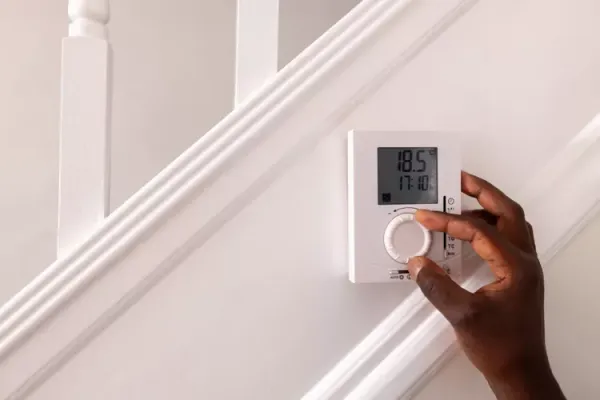
Heating typically accounts for the largest share of your power bill, and the winter holidays amplify that. Naughton suggests optimizing your heating schedule: program your thermostat to lower temperatures overnight or when the house is empty, and set it to warm up just before guests arrive. Closing doors and vents in unused rooms directs warmth where it's needed most. When cooking for a crowd, consider lowering the thermostat a bit and letting the oven help maintain indoor warmth.
Smart Thermostats and Lighting Upgrades
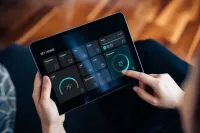
If you're still adjusting your thermostat manually, switching to a programmable or smart thermostat can yield significant savings. Programmable models allow weekly, daily, or hourly schedules, while smart thermostats connect to the internet and integrate with systems like Amazon Alexa, Google Home, and Apple HomeKit, making temperature setbacks seamless.
Lighting is another area ripe for improvement. Traditional incandescent bulbs are energy hogs, but LED technology is up to 90% more efficient and lasts 25 times longer, according to Naughton. While some LEDs have a cool appearance, modern options offer warm tones suitable for holiday displays. To avoid leaving lights on all night, plug them into automated timers, which are inexpensive and simple to set up.
Managing Power Use with Strips and Plugs
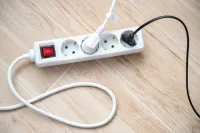
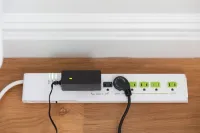
With multiple strings of lights and decorations, it's tempting to leave everything plugged in. Grouping devices onto a power strip lets you switch them all off at once, saving energy and reducing safety risks. For delicate electronics, use a surge protector to guard against spikes. Smart plugs offer another layer of control, allowing you to remotely shut off devices via a smartphone app, curbing the "vampire" power drain from gadgets left on standby.
Cooking and Fireplace Efficiency
Kitchen activity peaks during the holidays, but simple tweaks can cut energy use. Put drinks in coolers to keep the fridge door shut, prepare time-sensitive dishes a day or two ahead, and cover pots to boil water faster. Wood-burning fireplaces, while cozy, waste energy through open dampers and create indoor air pollution. Instead, consider festive alternatives: cluster candles, add poinsettias, place a lamp on a bed of moss, or string battery-powered lights in the firebox.
Low-Energy Decorating and Monitoring
Outdoor decorations don't have to drive up your bill. Trendy options include garlands, wreaths, topiary, vinyl pole wrap, lawn decorations, and DIY paper snowflakes—all without a single watt. Finally, assign someone to do a periodic sweep of the house to turn off lights and devices in empty rooms, especially when guests have moved to another area.
By implementing these strategies, you can enjoy a bright, warm holiday season while keeping your utility costs in check.