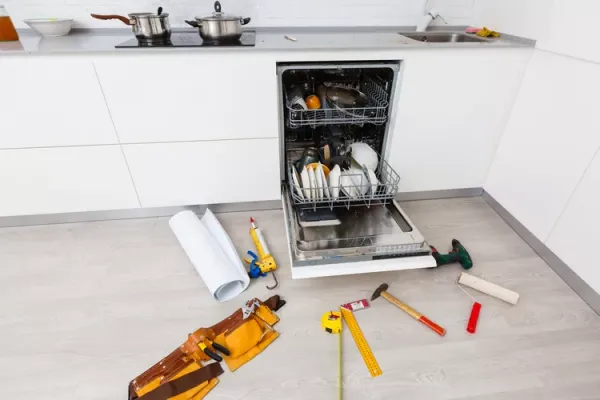
When a dishwasher refuses to power up, the immediate reaction is often frustration—and the temptation to revert to handwashing. But before you surrender to a sink full of soapy water, a series of straightforward checks can often resolve the issue without a service call. From a forgotten child lock to a tripped circuit breaker, many common causes are simple to diagnose and fix at home.
According to appliance repair specialists, the most frequent reasons a dishwasher fails to start are surprisingly mundane. A quick walk-through of these 11 potential culprits can save time, money, and the inconvenience of a non-functional kitchen appliance.
Start With the Simplest Checks
The first thing to inspect is the child safety lock. If engaged, it disables most dishwasher functions, making the unit appear dead. Similarly, ensure the door is fully closed and latched; most models have a safety interlock that prevents operation if the door isn't securely shut. A misaligned or worn latch mechanism may require professional attention, but a simple push to close the door firmly is worth trying first.
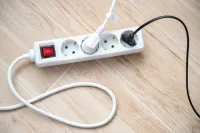
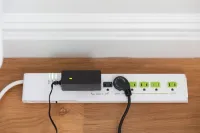
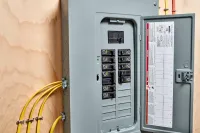
Another common oversight is the power supply. Dishwashers are either hardwired or plugged into an outlet under the sink. If the unit has a plug, confirm it's seated properly and check the GFCI outlet for a tripped state. Press the reset button if needed. For hardwired units, head to the electrical panel and look for a tripped breaker. A breaker that repeatedly trips indicates a deeper electrical issue that should be investigated before resetting again.
Water and Sensor-Related Issues
Dishwashers rely on sensors to operate safely. The water pan sensor, located beneath the appliance, detects leaks. If it senses moisture, it will prevent the dishwasher from running. While this could indicate a real leak, the sensor itself may be faulty. Similarly, the water inlet valve controls water flow; if it's defective, the dishwasher won't start because it doesn't detect a water supply. Also, check that the water supply line is turned on—especially after recent plumbing work or a new installation.
The thermal fuse is another protective component. It shuts down the appliance if internal temperatures exceed safe limits. To test it, turn off the power at the breaker, locate the fuse (usually on the control board behind the door panel), and inspect for visible damage like melting or a severed filament. A multimeter can verify continuity if visual inspection is inconclusive.
Reset and Settings
Sometimes a simple reset is all that's needed. Turn off the circuit breaker for a full minute, then restore power. Some models have a specific reset sequence, such as holding the start/reset button. Check the owner's manual for exact instructions.
Settings like sleep mode or delay wash can also prevent the dishwasher from starting as expected. Sleep or standby modes must be deactivated. If the delay wash is programmed, the dishwasher will wait for the set time before running. Pressing start may seem to do nothing, but the unit is simply waiting.
If none of these steps resolve the issue, the problem may be more complex, requiring a professional technician. However, these checks cover the vast majority of non-starting dishwashers and are worth trying before calling for service.